
Stainless Steel Beading Findings
With stainless steel beading findings, it pays to know how the material responds to water, heat, light and everyday handling. Thickness and density change how a material feels and how well it keeps its shape.
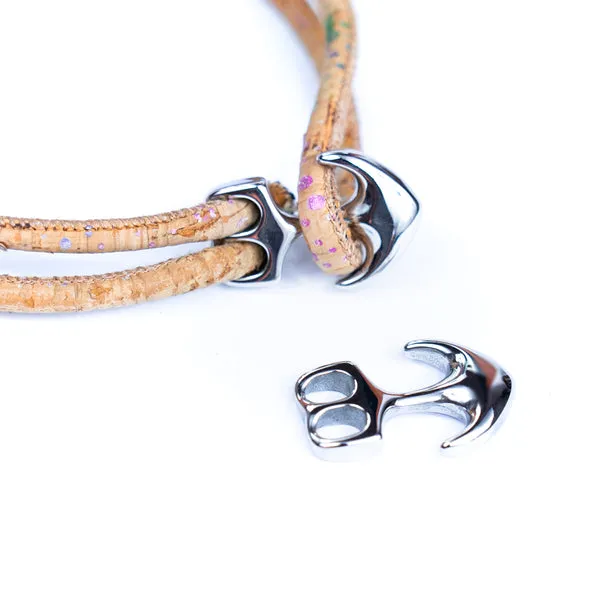
Choosing well across different types
Start from the job the item has to do. A collection's shared trait tells you what items have in common, not which one suits you.
How to choose
- Step back to compare every material in one place: Beading Findings.
- Decide whether a mixed-material design suits you better than a single material.
- Think about exposure to water, heat or sunlight where it will be used and kept.
- Think about texture and how the material feels to the touch.
Frequently asked questions
How do I keep stainless steel beading findings looking good?
To keep stainless steel beading findings looking good, follow the care notes for the material, avoid long exposure to heat or damp unless it is made for that, and store everything dry.
What should I check when giving stainless steel beading findings as a gift?
When giving stainless steel beading findings, check that the material's care needs suit the person receiving it, and choose a finish that is easy to live with.
Will stainless steel beading findings change over time?
Many materials change with use, so stainless steel beading findings may soften, mellow or develop a patina; check the description to know what to expect.
How does the material affect stainless steel beading findings?
In stainless steel beading findings, the material sets weight, feel, appearance and upkeep, and it shapes how each piece ages with regular use.
Can this material vary from one item to another?
Yes: one material can come in different grades, blends and finishes, so stainless steel beading findings described the same way can still look and feel different.