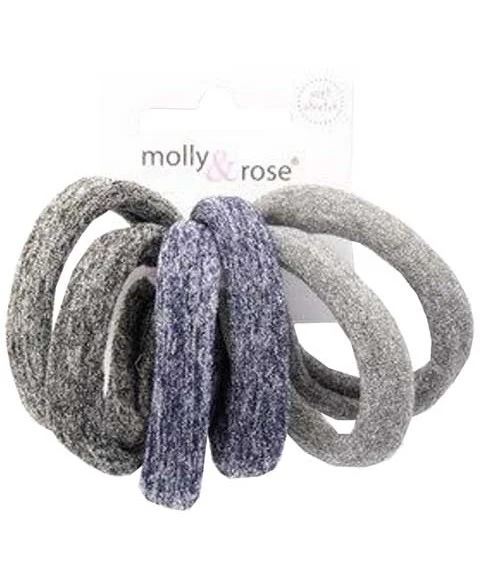
Sewing elastics can look alike at first glance, so the details matter: proportions, construction and finish. Names vary between makers, so rely on measurements and descriptions rather than the label. Think about storage between uses as well, since shape decides how neatly it can be put away.
Pay attention to the parts you touch every time, such as handles, edges or fastenings.
Think about how often it will be used, and favour simple, sturdy construction for daily use.
Look at the finish: some surfaces show marks or wear more readily than others.
For a broader choice, step back to the wider family: Craft Fabrics.
Frequently asked questions
Why use sewing clips or clamps instead of pins on cork and thick fabrics?
Clamps hold layered seams flat without piercing permanent pin marks into cork, vinyl, or heavy woven fabrics.
Can natural cork fabric be stitched on a domestic sewing machine?
Yes, cork textile sheets sew cleanly with a medium universal needle, slightly longer stitch length, and clips instead of pins so no permanent holes remain.
Which makers of sewing elastics are listed?
Compare makers of sewing elastics on size, material, build and care rather than on name. Makers listed: Molly And Rose.
How do I care for sewing elastics?
Care for sewing elastics depends on the material, so follow the care instructions for each item; gentle cleaning and dry storage suit many materials.
What sets sewing elastics apart from similar kinds?
What sets sewing elastics apart from similar kinds is usually shape, size or construction; compare them side by side on those points to confirm the right choice.