
Woven Tapestry
With woven tapestry, it pays to know how the material responds to water, heat, light and everyday handling. The right material depends on use, and frequent use favours something forgiving and easy to clean. Some materials need occasional care, such as oiling, polishing or conditioning, while others need almost none.
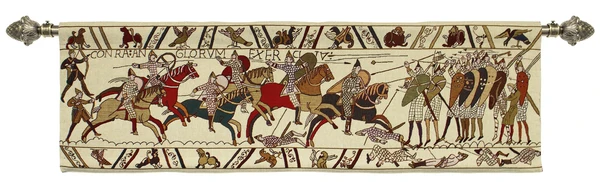
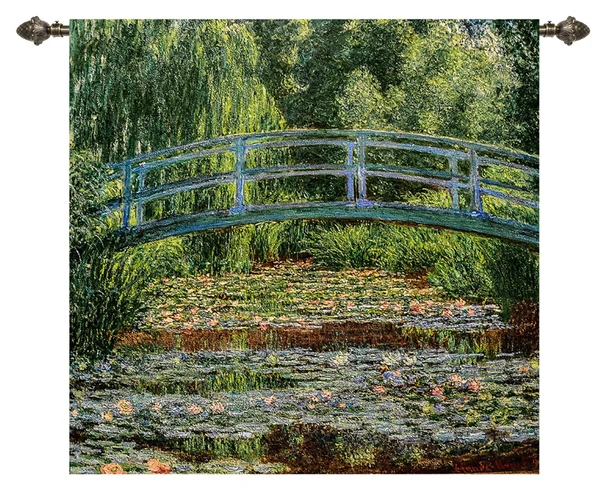
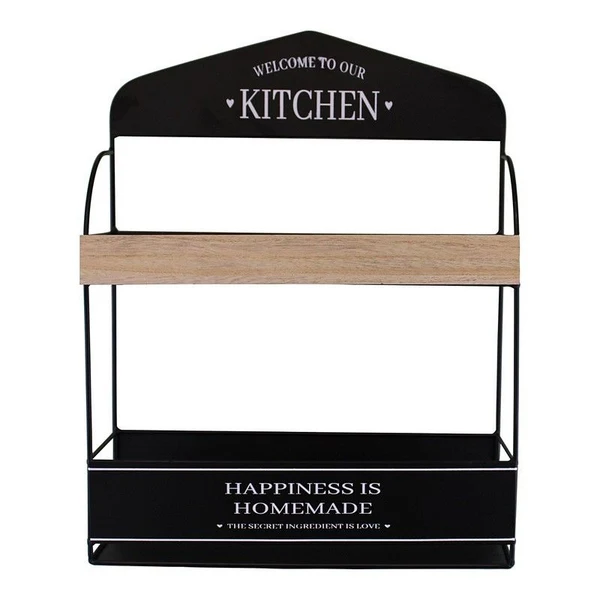
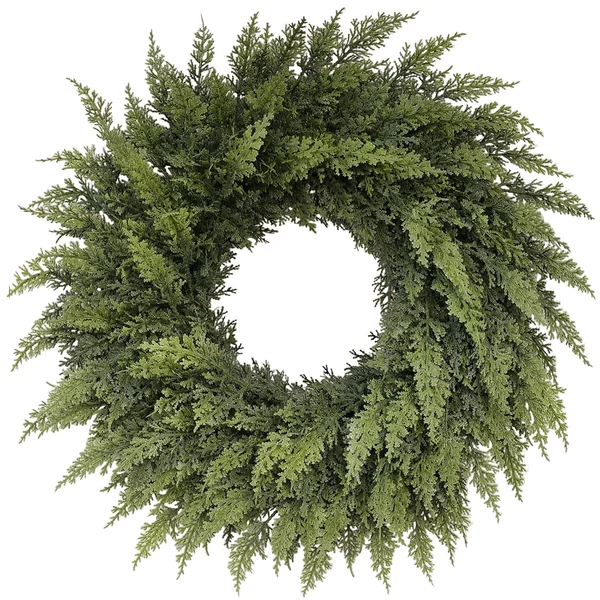
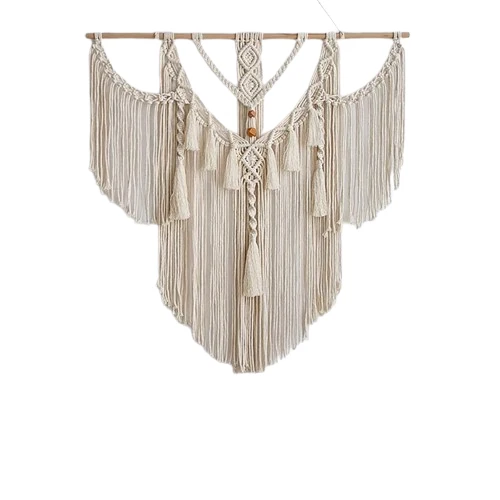
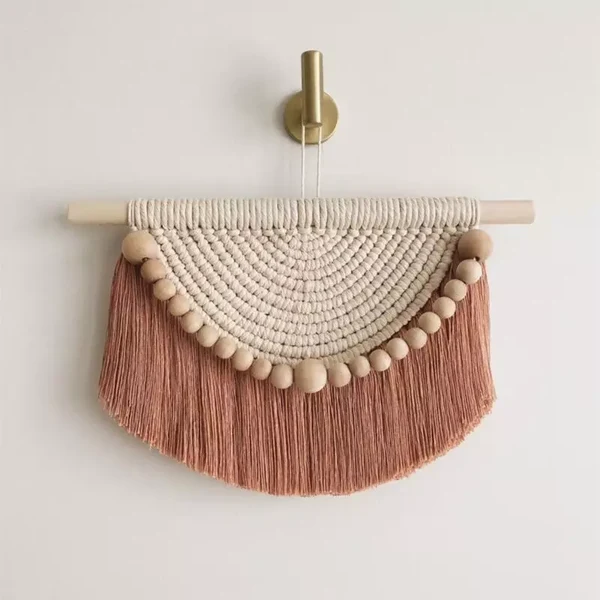
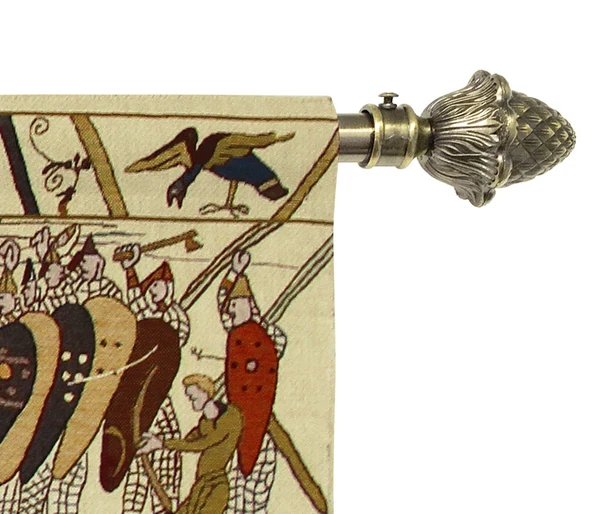

Choosing well across different types
Start from the job the item has to do. A collection's shared trait tells you what items have in common, not which one suits you.
How to choose
- For frequent use, choose a forgiving material that is easy to clean.
- Check storage needs: some materials prefer to be kept dry, flat or out of direct light.
- Match the material to the job first and to your taste second.
- Expect slight variation in colour and texture if the material is natural.
- Decide whether a mixed-material design suits you better than a single material.
Frequently asked questions
Which other materials are there for this kind?
Comparing materials side by side shows the trade-offs in weight, feel and care. Other materials to compare: Cotton Wall Tapestries.
How practical is this material for daily use?
Daily practicality depends on the material's grade and finish; for woven tapestry used every day, look for a forgiving surface that is easy to care for.
Does the finish matter for woven tapestry?
Yes: in woven tapestry, a sealed, coated or polished finish changes how the material looks, feels and copes with everyday use.
What should I know about natural variation in woven tapestry?
Where the material is natural, slight differences in colour, grain or texture are normal in woven tapestry and part of its character.