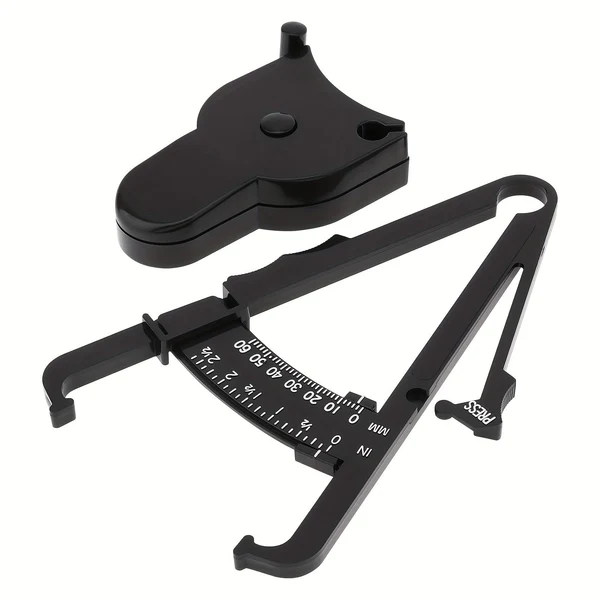
In sewing tape measures, construction shows in the details: joins, edges, seams or fastenings, and how evenly the finish is applied. Names vary between makers, so rely on measurements and descriptions rather than the label.
Choose the material for how it feels, how much it weighs and how much care it needs.
Think about how often it will be used, and favour simple, sturdy construction for daily use.
Pay attention to the parts you touch every time, such as handles, edges or fastenings.
For a broader choice, step back to the wider family: Sewing Tools.
Think about storage between uses and choose a shape that is easy to put away.
Frequently asked questions
How should I measure fabrics neatly before cutting?
Lay yardage flat on a level surface and measure along the grain line with a non-stretch fibreglass tape measure.
What should I look for in the finish of sewing tape measures?
In sewing tape measures, look for an even, consistent finish without rough patches, and consider how readily the surface shows marks or wear.
Why do sizes of sewing tape measures vary between makers?
There is no shared size standard for sewing tape measures across makers, so the same size name can mean different measurements; check the stated dimensions instead.